
How Often Should You Change Aquarium Water, and What Sets It?
Weekly partial changes are a useful starting routine for a stocked freshwater aquarium. Adjust the interval to the animals, nitrate trend, pH and KH; two nitrate tests can estimate waste accumulation, but cannot prove that a longer gap is safe.
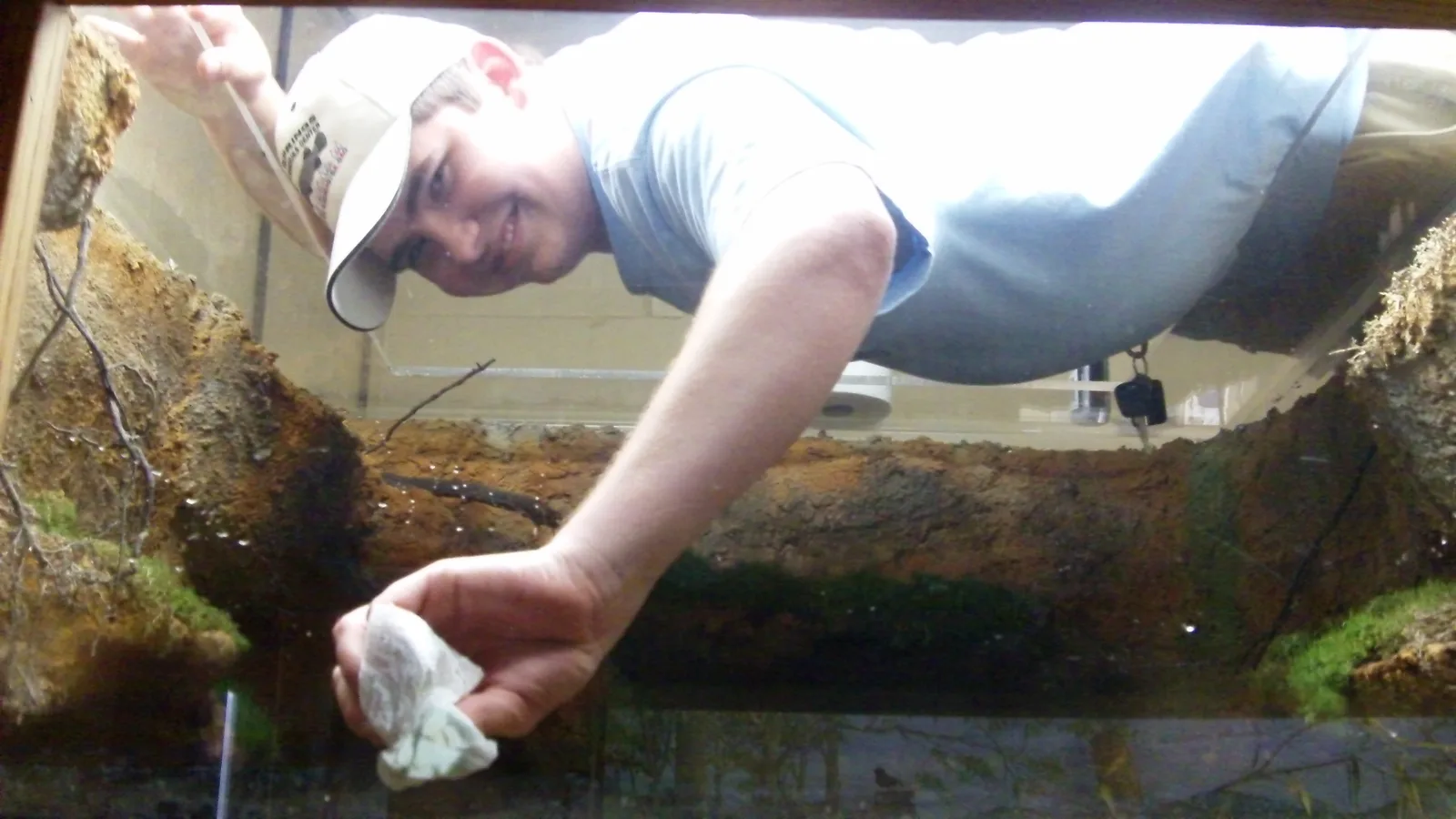
How often should you change aquarium water?
A stocked freshwater aquarium usually needs a partial water change every one to two weeks, and weekly is the common starting point.
The Ornamental Aquatic Trade Association's care sheet frames routine maintenance as partial changes of up to 25 percent each week, adjusted for species, tank size and the number of fish.
The condition that moves the interval is how fast waste builds up between changes.
Nitrate often shows that trend because the nitrogen cycle produces it from waste. Plant uptake and other nutrient-removal processes can change the trend, so nitrate alone cannot judge the whole maintenance routine.
A marine tank often runs on a longer cycle, and the University of Florida IFAS marine aquarium project book plans a 25 percent change every four weeks, whether the tank holds 32 gallons or 175.
- Stocked freshwater tank
- Every 1 to 2 weeks, weekly as the starting point
- Marine aquarium example
- UF/IFAS describes 25 percent every 4 weeks; individual systems may need a different routine
- What shortens it
- Heavy feeding, a crowded or small tank, sensitive animals, a pH or KH that drifts down
- What lengthens it
- Light stocking, fast plant growth, a nitrate reading that stays well below your ceiling
- What decides it
- Nitrate trend alongside animal needs, pH, KH and the condition of the tank
- Evaporation top-off
- Replaces lost water only and does not count as a change
Those figures are starting cadences, and the tank in front of you confirms or overturns them within two or three change cycles.
How do you work out the right interval for your tank?
A nitrate-based interval estimates how long the tank can run between changes without exceeding a species-appropriate planning ceiling. It is one constraint on the schedule, not a substitute for checking other water conditions and the animals.
Two nitrate readings taken a week apart are enough to estimate it, provided the tank's feeding and stocking stay the same between them.
- Test the source water Read nitrate in your conditioned tap or prepared water, because it affects how much nitrate a water change can remove; plants and other removal processes may lower nitrate further.
- Test after a change About an hour after a routine change, once the water has mixed, record nitrate in the tank.
- Wait and retest Read nitrate again seven days later at the same time of day, with the same kit and sample point.
- Work out the daily rise Subtract the first tank reading from the second and divide by the number of days.
- Set the interval Multiply the fraction you change by the gap between your ceiling and the source-water reading, then divide by the daily rise.
- Confirm it Check nitrate before every change and adjust sooner if it approaches the planning ceiling; continue tracking pH, KH and animal condition.
The formula in step five comes from what happens over repeated changes. If nitrate rises at the same rate each day and you change the same fraction each time, the reading just before each change settles at the daily rise times the days between changes, divided by the fraction changed, plus whatever the source water carries.
This mass-balance estimate assumes well-mixed water, a constant net nitrate rise and a constant change fraction. If the measured rise is zero, negative or smaller than the kit can distinguish, the formula cannot set an interval.
In a worked example, suppose a tank rises 1.5 mg/L of nitrate per day, the tap water reads 5 mg/L, and you change 25 percent.
Changed weekly, that tank settles near 47 mg/L before each change, because 1.5 times 7 divided by 0.25 is 42, plus the 5 mg/L from the tap.
Using 40 mg/L as an illustrative ceiling, not a safe limit for every species, the interval calculates to about 5.8 days, or a weekly change calculates to 30 percent. Choosing five days leaves some room for measurement error in this example.
That choice between a shorter interval and a larger change is the whole decision, because the percentage each change removes and the interval between changes together set where nitrate settles.
Three or four changes do not prove that the long-term peak has been reached. In this constant-rate model, a 25 percent change leaves 75 percent of the gap to the eventual peak after each cycle, so about 32 percent of the initial gap still remains after four cycles.
Which nitrate ceiling should your schedule protect?
No single nitrate number suits every tank, so the ceiling you plan around depends on the animals you keep.
The published toxicity work is also written in two different units, which is the most common reason readings and advice appear to disagree.
Most hobby kits report nitrate as the nitrate ion, while much of the scientific literature reports nitrate-nitrogen. The Merck Veterinary Manual gives the conversion: multiply a nitrate-nitrogen figure by about 4.4 to get nitrate.
Published nitrate levels and what they refer to
- Nitrate, most sensitive freshwater species2 mg/L as nitrate-nitrogen (about 9 mg/L as nitrate)Freshwater system. Applies to a protective maximum proposed for the most sensitive freshwater animals. review of published toxicity data; nitrate figure converted with a factor of 4.4. Source: Camargo and colleagues 2005, Chemosphere, checked 2026-09-21.
- Nitrate, long-term harm in sensitive species10 mg/L as nitrate-nitrogen (about 44 mg/L as nitrate)Freshwater system. Applies to long exposures that affected trout, salmon, amphibians and some invertebrates. review of published toxicity data; nitrate figure converted with a factor of 4.4. Source: Camargo and colleagues 2005, Chemosphere, checked 2026-09-21.
- Nitrate, general marine maximum20 mg/L as nitrate-nitrogen (about 88 mg/L as nitrate)Marine system. Applies to a level the review considered generally acceptable for marine animals, with early life stages of some invertebrates more sensitive. review of published toxicity data; nitrate figure converted with a factor of 4.4. Source: Camargo and colleagues 2005, Chemosphere, checked 2026-09-21.
- Nitrate, linked to goitre70 mg/L or more as nitrate-nitrogen (about 310 mg/L as nitrate)Marine system. Applies to chronic exposure associated with thyroid goitre in some sharks and rays in recirculating systems. veterinary table of environmental hazards; nitrate figure converted with a factor of 4.4. Source: Merck Veterinary Manual, environmental diseases of aquatic animals, checked 2026-09-21.
Every range above.
The sensitive fish in that review were coldwater trout and salmon, and guppies tolerated far higher concentrations in short tests. That gap is why the table sets out an evidence range and stops short of prescribing one aquarium target.
These toxicity findings are not a target for a mixed community or a reef. Set the planning ceiling from evidence for the most sensitive animals and life stages present; a number below an observed harm level is not automatically safe.
Whatever ceiling you choose, the aquarium nitrate reading only works as a guide when the kit's unit is known. A result from one kit cannot be compared with a published figure until you know which of the two units it reports.
How often do different kinds of tank need a change?
Each situation below changes the weekly default for a stated reason, and the nitrate trend from your own tank still confirms or corrects it.
| Situation | Typical starting interval | Why it differs |
|---|---|---|
| Newly cycled tank, first months of stocking | Weekly, with tests between changes | Each new group of fish raises the load before the filter has grown to match it |
| Fish added before the filter was ready | As often as needed to hold ammonia and nitrite at zero, sometimes daily | Dilution reduces exposure while feeding, aeration and filtration also need attention |
| Stocked community freshwater tank | Every 1 to 2 weeks | Moderate feeding produces a steady, measurable nitrate rise |
| Large or heavily fed fish, including big carnivores and goldfish | Weekly or more often | Big protein-rich meals produce more ammonia, which becomes nitrate and uses up KH faster |
| Small tank under about 40 litres | Weekly, often in smaller amounts | The same waste raises concentration faster in less water, and temperature swings faster too |
| Lightly stocked planted tank | Every 2 to 4 weeks if nitrate and KH hold steady | Growing plants take up nitrate, so the rise between changes is slower |
| Shrimp tank | Small changes, weekly or fortnightly | Shrimp react to sudden shifts in hardness and temperature, so smaller changes keep each shift small |
| Marine aquarium | UF/IFAS example: 25 percent every 4 weeks | Adjust to nutrient trends and animal needs; evaporation is replaced separately with fresh water |
More food, bigger fish and less water all shorten the interval, while plants and light stocking lengthen it.
A planted tank can read near zero nitrate while other things still build up, because plants can remove nitrate as fast as the filter makes it.
A zero nitrate reading there says nothing about KH, dissolved solids or accumulated debris. A TDS or conductivity reading that climbs from one change to the next is one way to see that build-up when nitrate cannot show it.
For a cherry shrimp colony or a single fish in a betta tank, the same rule applies at a smaller scale: the smaller the volume, the more one missed change moves the reading.
In a marine tank, topping off and changing water are separate jobs. UF/IFAS notes that salt does not evaporate, so evaporated water is replaced with fresh reverse-osmosis water.
Adding saltwater to replace evaporation makes salinity climb until animals are lost, which is why top-off and water change routines run on different clocks.
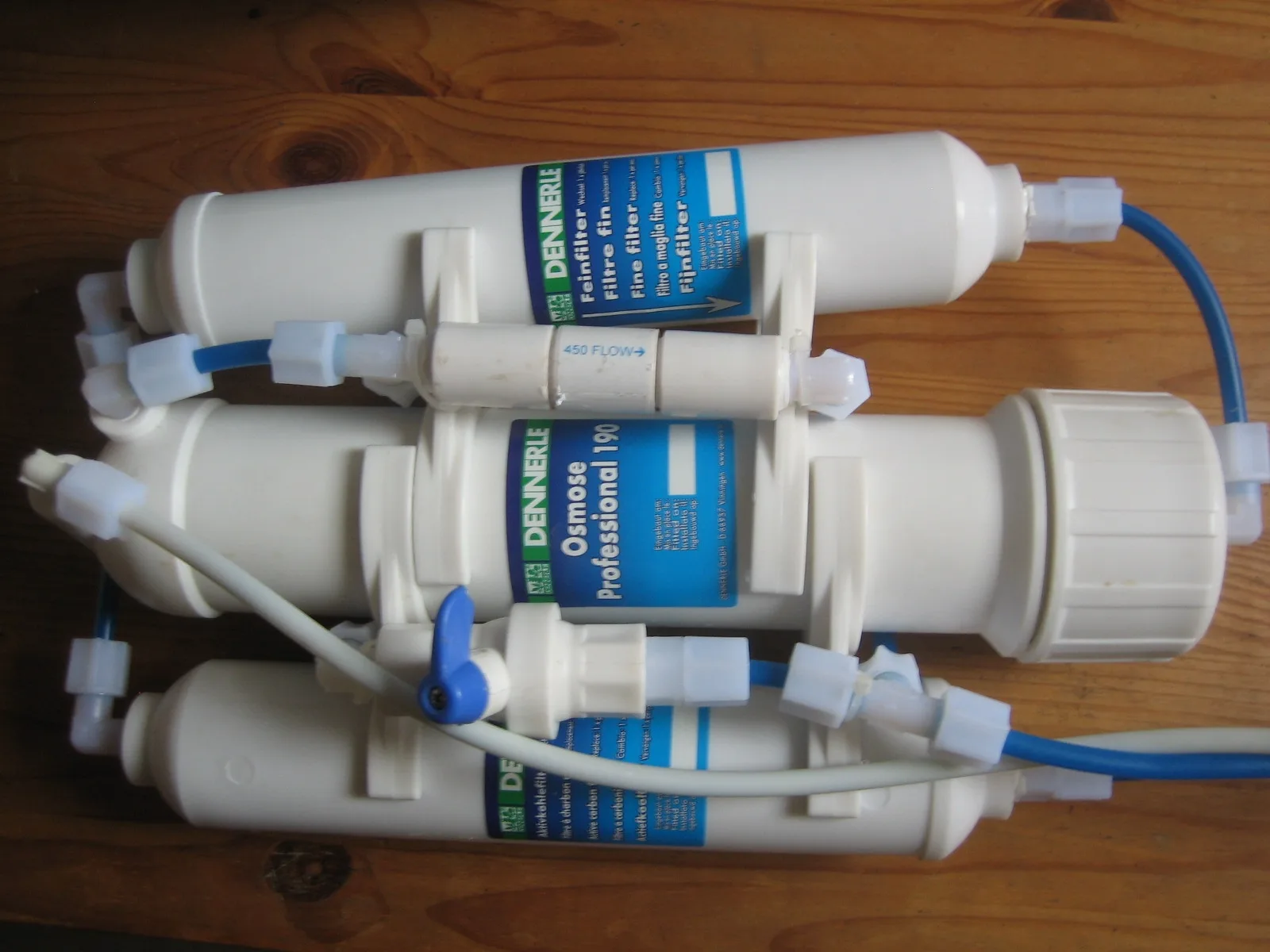
What happens when water changes are too far apart?
Water can deteriorate without obvious distress, but loss of buffering can also cause a sudden pH drop. A large catch-up change adds another risk if the replacement water differs sharply from the tank.
The Merck Veterinary Manual calls the end state old tank syndrome. It develops when water changes are small and infrequent, or when evaporated water is simply topped off, and it is most common in tanks holding large carnivorous fish fed high-protein meals.
The mechanism runs through carbonate hardness.
The bacteria that turn ammonia into nitrate use up bicarbonate, so KH falls with every week of waste processing. Once that buffer is gone, pH can fall gradually or suddenly.
Merck describes the finished picture as total alkalinity near zero, a low pH and total ammonia that can exceed 20 mg/L. The ammonia is mostly in its less toxic ionised form at that low pH, which is why fish can survive in water that tests alarmingly.
Signs your interval has grown too long
- Nitrate before each change The pre-change reading keeps rising instead of settling, so the tank produces more than each change removes.
- KH and pH KH falls between changes, or pH reads lower than your source water after a few weeks.
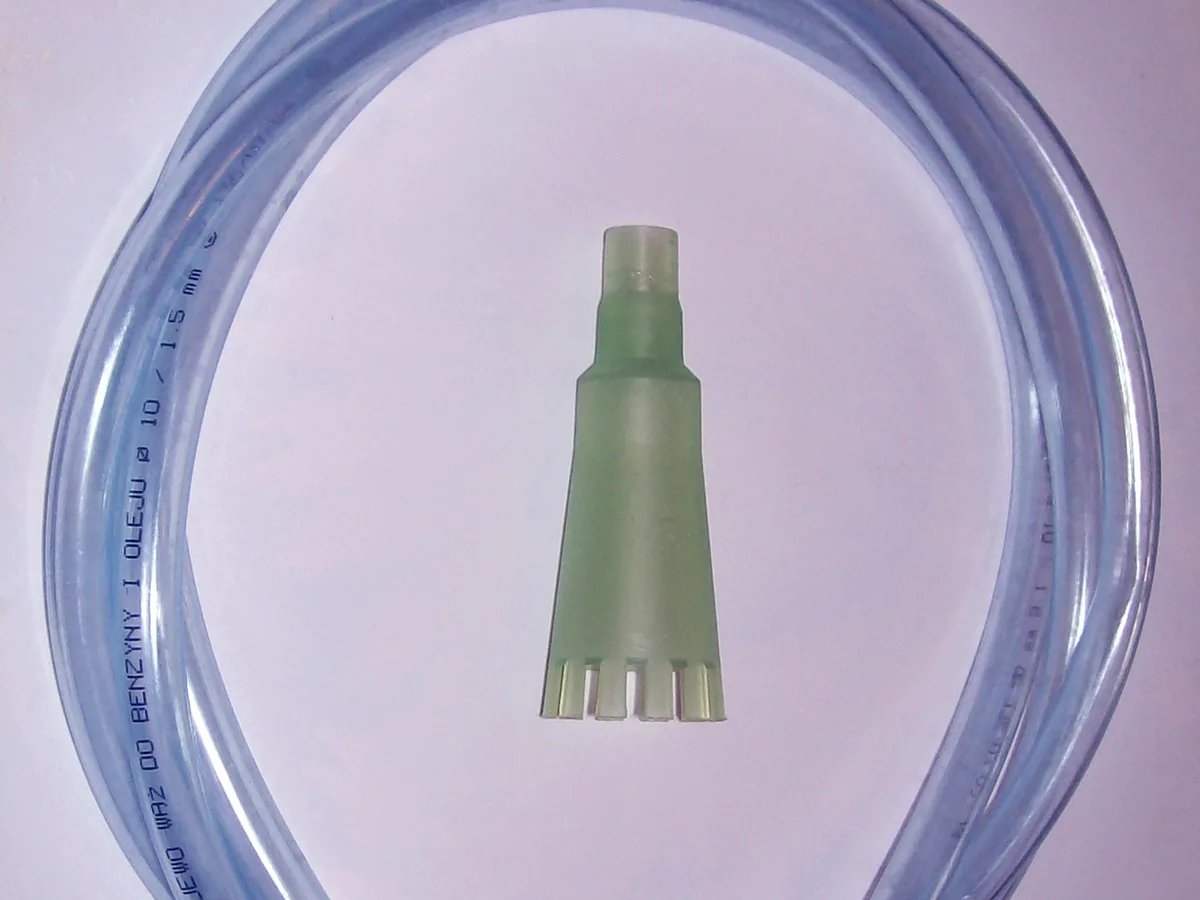
- Debris Brown waste collects in the gravel and filter faster than routine gravel siphoning clears it.
- Algae Growth keeps returning on glass and plants even though light and feeding have not changed.
- Water appearance A yellow tint or an earthy smell develops a few days after each change.
- Fish behaviour Fish become slower, eat less or breathe faster late in the interval and recover after a change.
None of those signs proves the interval alone is at fault.
A dead fish hidden behind rock, a clogged filter or overfeeding can produce the same drift, so the cause is worth finding before the schedule is blamed.
Recording nitrate, pH and KH just before each change, rather than after it, shows the worst point of each cycle, and that is the reading the interval is meant to control.
When should the interval get shorter, and when can it stretch?
Some events need an extra change regardless of the schedule, while others allow a longer gap, and the difference is whether something harmful is entering the water faster than usual.
| Decision factor | Change sooner or more often | A longer gap is usually fine |
|---|---|---|
| Ammonia or nitrite | Any reading above zero in an established tank | Both read zero on every test |
| Nitrate trend | The pre-change reading keeps rising | The pre-change reading holds well under your ceiling |
| Feeding | A spell of overfeeding or food left to rot | Feeding is steady and fully eaten |
| Stocking | New fish added or fish growing fast | Stocking unchanged for months |
| Losses | A dead fish or snail found decomposing | No losses |
| pH and KH | Either falling since the last change | Both steady from change to change |
| Plants | Plants dying back or removed | Plants growing and taking up nitrate |
| Absence | Before and after a trip away, when feeding will be irregular | No change in routine |
An ammonia or nitrite reading in a tank that used to test clean is the strongest reason to change water outside the schedule. A new reading usually points to a new source, such as a death, a filter stoppage or a sudden jump in stocking, and aquarium ammonia needs the source removed as well as diluted.
Stable readings support a cautious trial of a longer interval, but do not establish safety on their own. Continue checking the animals, debris, nitrate, pH and KH before each change, and shorten the interval if conditions deteriorate.
Adding fish restarts part of the calculation, because OATA notes that each increase in fish or feeding needs a short maturation period for the filter.
The weeks after stocking therefore call for tests between changes and a shorter interval until readings settle again.
How do you bring a neglected tank back to a routine?
The instinct after a long gap is one big water change, and that is the step most likely to harm the fish.
A tank that has drifted for months may hold water very different from the tap in pH, hardness and nitrate.
A sudden large change raises pH quickly. Merck warns that in old tank syndrome the high ammonia is held in its less toxic form by the low pH, so a rapid rise in pH can turn it toxic, and it advises daily small water changes instead.
Small changes allow measurements between steps, but high ammonia together with rising pH needs prompt aquatic-veterinary guidance because ammonia turns more toxic as pH rises. Deteriorating breathing or balance is a reason to seek help immediately, not to continue an unmonitored correction.
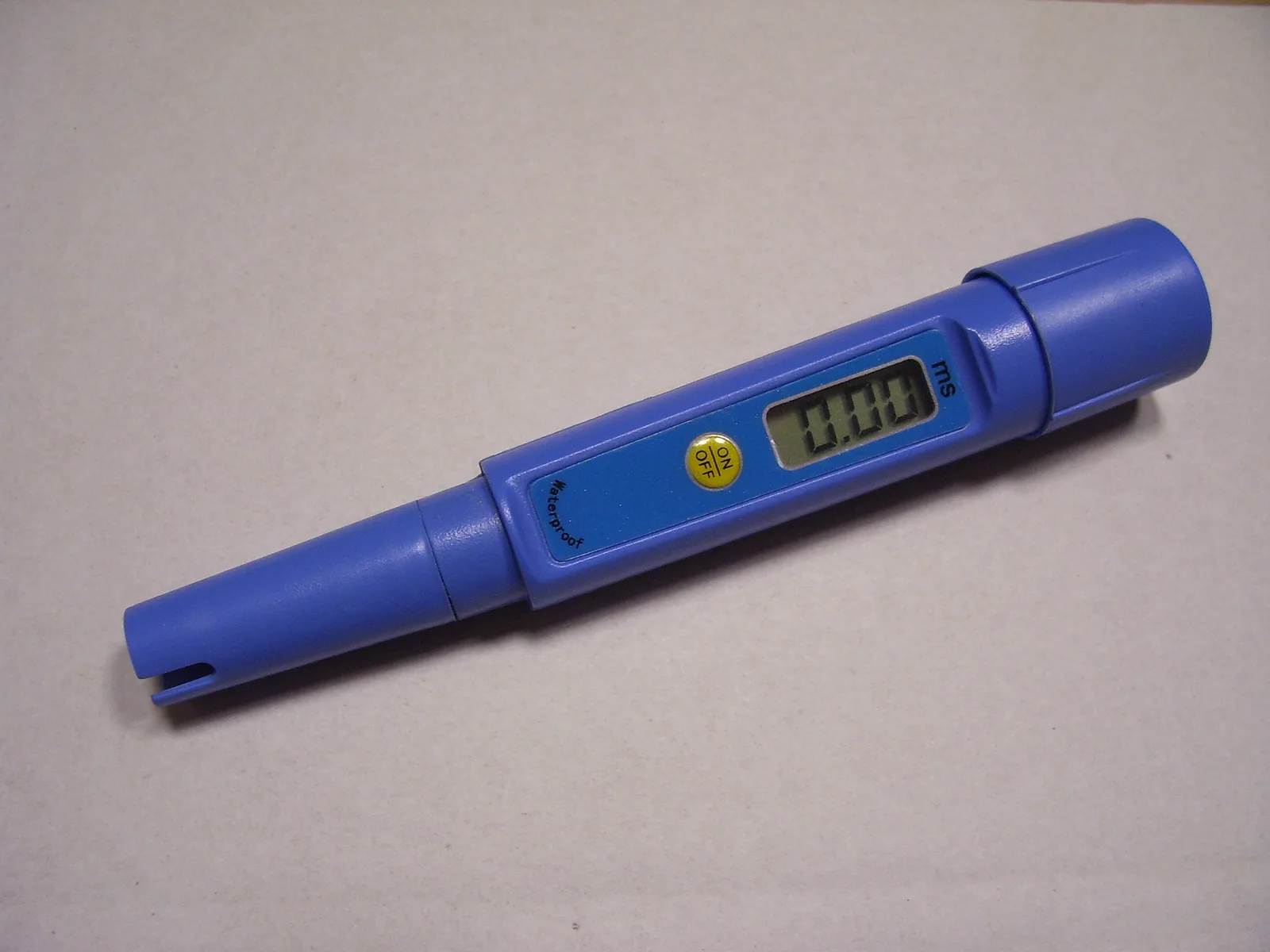
Every change during recovery uses dechlorinated, temperature-matched water.
The U.S. Environmental Protection Agency states that chlorine and chloramine must be removed or neutralised before tap water goes into an aquarium, and a fish already stressed by poor water has less margin to cope with them.
Merck's guidance ends with regular, large water changes once the tank is back in normal condition, because the same slow loss of KH will return if the old gap does.
Fish that gasp at the surface, lose balance or become unresponsive need prompt aquatic-veterinary help while water quality and aeration are checked. Do not wait until every reading has been corrected before seeking advice.
Which scheduling habits cause the most trouble?
Most water-change problems come from a routine that was set once and never measured again, which breaks the link between the schedule and what the tank needs.
A calendar with no tests
A weekly habit can be too slow for a crowded tank and more work than a planted one needs; nitrate readings tell the two apart.
Topping off in place of changing
Evaporation leaves minerals and nitrate behind, so repeated top-offs concentrate them and move the tank toward old tank syndrome.
One large catch-up change
A big change after weeks of neglect shifts pH and hardness faster than fish can adjust.
Everything on one day
Changing water, deep-cleaning gravel and replacing filter media together disturbs the filter bacteria and makes any later problem hard to trace.
Reading only after the change
A post-change reading shows the best point of the cycle and hides how high nitrate climbed before it.
Ignoring the source water
Tap water that carries nitrate or a very different pH sets limits no schedule can get past.
Filter cleaning is best kept to its own day or done with water removed during the change. OATA advises rinsing media in old tank water, never under the tap, because chlorinated water kills the bacteria the aquarium filter depends on.