
What Causes an Aquarium Ammonia Spike, and What Do You Do First?
An ammonia spike in an established aquarium almost always follows a new source of waste or damage to the filter, and the first decision is whether the reading is real and how much of it is toxic free ammonia at your pH and temperature. If fish are gasping or free ammonia is above 0.05 mg/L, a partial water change with matched, dechlorinated water comes before the search for the cause.

What should you do in the first hour of an ammonia spike?
Any measurable ammonia in a tank that has been cycled for months means waste is arriving faster than the filter can process it.
UF/IFAS puts it plainly: in a healthy tank the reading should always be zero.
The first hour has two jobs. You lower what the fish are breathing, and you collect the three numbers that decide how serious the reading is: total ammonia, pH and temperature.
A tank set up in the last eight weeks is a different case. Merck notes that a tropical biofilter can take up to eight weeks to establish, so rising ammonia in a younger tank usually means new tank syndrome, and how long cycling takes governs the next step more than anything here.
Is the ammonia reading real?
A high reading deserves one confirmation before it changes what you do, because several common situations produce a number that overstates the problem in the tank.
| Check | Why the reading can mislead | How to confirm it |
|---|---|---|
| What the kit measures | Most kits report total ammonia nitrogen, and only part of it is the toxic free form | Record pH and temperature with every ammonia test |
| Chloramine in tap water | Dechlorinator breaks chloramine apart and leaves its ammonia behind | Test dechlorinated tap water beside the tank sample |
| Ammonia in the source itself | Some city and well water carries ammonia before any treatment | Test untreated tap or well water on its own |
| Nessler kit after a conditioner | Ammonia binders, many water conditioners and formalin used in the last 24 to 72 hours read falsely high | Retest with a salicylate kit, which these products do not affect |
| Nessler kit in a marine tank | The method gives false reactions in seawater | Use a salicylate kit for saltwater |
| Old or damp reagents | A kit past its printed date may no longer match its colour chart | Repeat with a fresh kit, or have a shop or clinic test the same sample |
Tap water is the false alarm people miss most often.
The Sioux Falls water utility explains that chloramine releases ammonia as it breaks down, whether on its own or through dechlorination, and a free chlorine test on chloraminated water reads zero while the water is still toxic to fish.
A dechlorinated tap water sample tested beside the tank sample helps distinguish ammonia arriving with replacement water from ammonia produced inside the aquarium.
Matching readings suggest the source water contributes ammonia, but they do not rule out waste accumulating in the tank. The supplier can confirm whether chloramine is used; the ammonia test alone cannot identify it.
Strip tests read in coarse colour steps, so a borderline strip result is worth repeating with a liquid kit before you act on it.
How toxic is the reading at your pH and temperature?
Test kits report total ammonia, which is two forms added together. The un-ionized form, free ammonia, is the one that damages gills, and its share rises steeply with pH and more gently with temperature.
To find it, multiply the total ammonia reading by the fraction for your pH and temperature.
The fractions come from the UF/IFAS table calculated from Emerson and colleagues.
- pH 7.0 at 24 °C
- 0.52 percent is free ammonia, so 1.0 mg/L total holds about 0.005 mg/L free
- pH 7.6 at 24 °C
- 2.1 percent, so 1.0 mg/L total holds about 0.02 mg/L free
- pH 8.0 at 24 °C
- 5.0 percent, so 1.0 mg/L total holds about 0.05 mg/L free
- pH 8.2 at 28 °C
- 10 percent, so 1.0 mg/L total holds about 0.10 mg/L free
- Free ammonia above 0.05 mg/L
- Tissue damage can begin, according to UF/IFAS
- Free ammonia near 2.0 mg/L
- Sensitive fish typically die, according to UF/IFAS
The same 1.0 mg/L reading is about ten times more toxic in hard, alkaline water at pH 8.0 than in soft water at pH 7.0. When your pH or temperature falls between two table values, UF/IFAS advises rounding up, because the higher value gives the worst case.
Salinity lowers the free fraction slightly, so these freshwater figures give marine keepers a small safety margin.
A low free ammonia figure lowers the urgency without making the reading acceptable. UF/IFAS records that fish kept in low ammonia for long periods grow poorly and pick up bacterial infections more easily.
Which cause is most likely in an established tank?
An established tank's filter was keeping up yesterday. So either more ammonia is arriving, or the filter lost capacity, and the useful question is which change came first.
Most ammonia comes from digested food. UF/IFAS notes that the more a fish is fed, the more ammonia it excretes, and it names overfeeding as a major cause of high readings.
Check the likely causes in this order
- Something dead or decaying A fish, snail or shrimp that died out of sight, or a mass of food rotting in the substrate, releases ammonia until it is removed.
- More food than usual Larger meals, a richer new food, a holiday feeder or a second person feeding the tank all raise the load on the same filter.
- A jump in waste load Several new fish at once, fish that have grown, or large carnivores eating big protein meals.
- A filter cleaned or given new media Media rinsed under the tap, a new cartridge, or all media swapped on the same day.
- A filter that stopped A power cut, a failed pump or a blocked intake starves the bacteria of oxygen.
- A treatment in the display tank Antibiotics and copper can damage nitrifying bacteria.
- A fall in pH and KH Nitrification slows when the water's buffering runs out.
- Ammonia in the source water Chloramine or ammonia arriving with every water change.
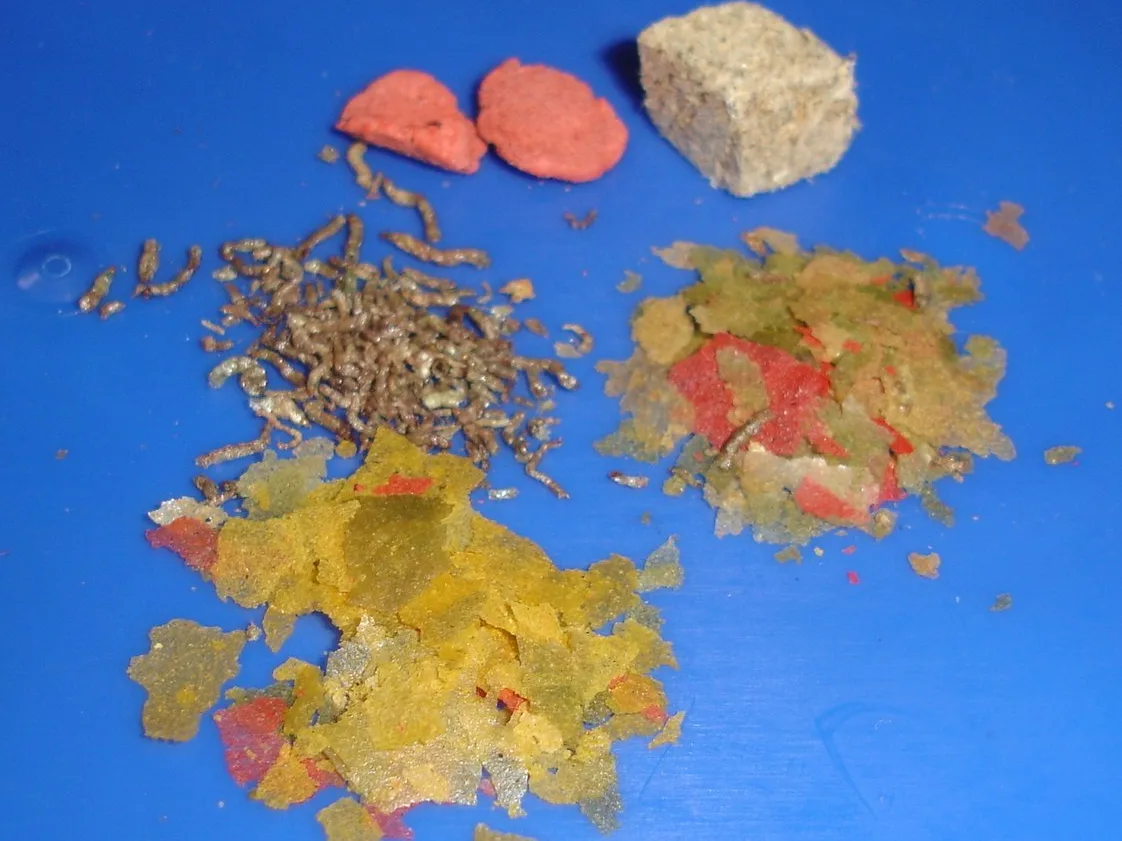
The first three causes add ammonia, the next four take filter capacity away, and the last arrives with the water itself. A spike rarely appears without a recent change, so the last two weeks usually hold the answer: new fish, a food change, a filter clean, a power cut or a treatment.
A missing fish is worth counting for, because a small body lodged behind a rock keeps releasing ammonia until it is found, which can give a lightly stocked tank a clear reading.
Feeding habits drift without anyone noticing, which is why a look at how much to feed and at ways to prevent overfeeding often explains a spike that seems to have no cause.
Stocking jumps work the same way. A filter carries the load it grew for, so adding six fish to a tank of ten raises stocking density faster than the bacteria can multiply.
How do the less obvious causes show up?
These causes all leave the waste load unchanged and remove filter capacity instead. Each one leaves a clue in the tank's recent history.
A filter cleaned in tap water or given new media
Chlorine and chloramine in tap water kill the bacteria living on filter media, and the EPA notes that both also prevent those bacteria from growing.
OATA warns against washing filter media under the tap for this reason.
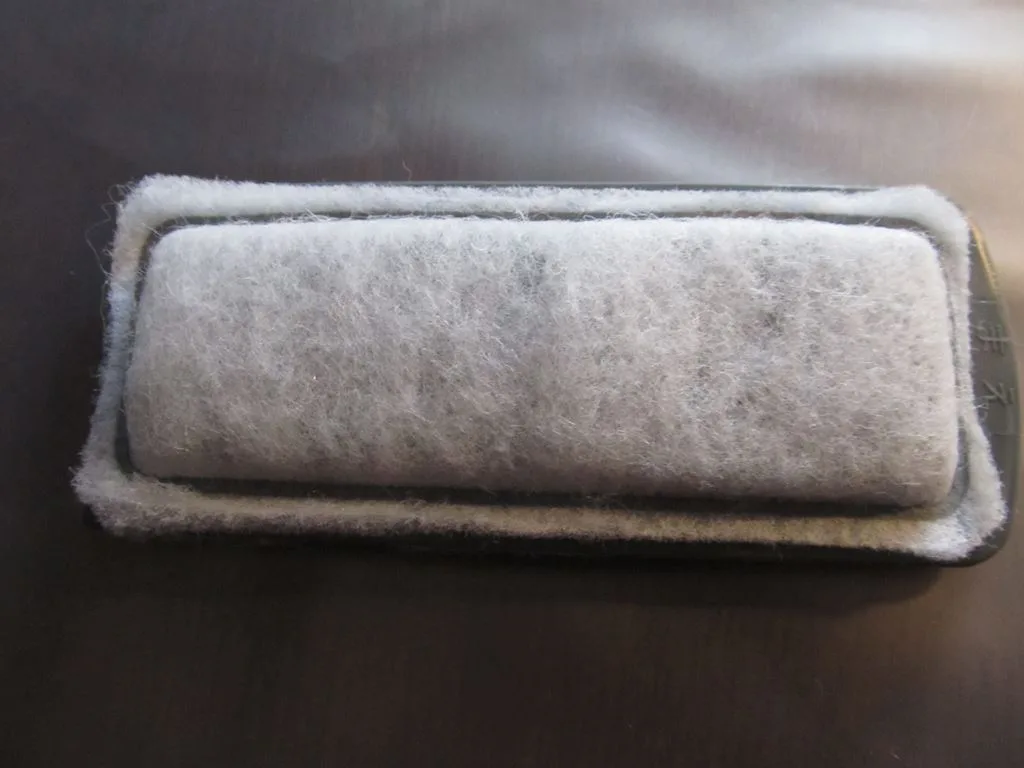
A spike in the days after a thorough clean fits this cause. The ammonia rises as the old waste load meets a filter that has to regrow, and the way to clean filter media without crashing the cycle prevents the next one.
When cartridges must be changed, the guidance on how to replace filter media in stages keeps part of the colonised surface in place.
A filter that stopped running
Nitrifying bacteria need oxygen, and UF/IFAS records that without enough of it they stop working or die.
A filter that sat still through a power cut can return foul water full of dead bacteria.
After a long outage, the stagnant water trapped inside a canister filter is better discarded than pumped back into the tank.
A medication added to the display tank
Merck notes that antimicrobial bath treatments tend to kill the nitrifying bacteria in the biofilter. It also records that copper can cause a rise in ammonia and nitrite that lasts weeks to months after treatment.
UF/IFAS advises testing ammonia and nitrite more often after any disease treatment. A spike that begins during or after treatment points at the filter first, and the fish's original illness second.
A pH crash that slows the biofilter
Nitrification uses up carbonate buffering and produces acid. When KH runs out, pH can drop quickly and the bacteria slow down, which is the pattern Merck calls old tank syndrome.
The published limits differ. Merck says total alkalinity at or below 50 mg/L as CaCO3, about 2.8 dKH, inhibits the biofilter, while UF/IFAS puts the point where nitrifiers stop working effectively at 20 mg/L.
This cause changes the whole recovery. Merck explains that ammonia in a low pH tank sits mostly in the less toxic form, so raising the pH quickly with a large change or a buffer can poison fish that were coping.
A pH that keeps falling after recovery has its own causes, and the pattern of an aquarium pH that keeps dropping is worth ruling out once the fish are safe.
How do you bring ammonia back to zero safely?
Recovery means holding ammonia down while the filter regrows or the source runs out.
The order matters, because some corrections cause a second problem when they come first.
- Record the starting point Write down total ammonia, pH, temperature and the time, then work out the free ammonia figure.
- Remove the source Take out any dead animal or rotting food, reverse a recent feeding change and restart a stopped filter.
- Pause feeding UF/IFAS advises reducing or stopping food for one to three days, which adult fish tolerate; fry are the exception and still need small feeds.
- Change water Replace 25 to 50 percent with dechlorinated water within 1 °C of the tank and close to its pH, or make smaller daily changes if the pH has crashed.
- Keep oxygen high Keep the surface moving; UF/IFAS notes that nitrifying bacteria struggle when dissolved oxygen falls below 5 mg/L.
- Leave the filter alone Do not clean, replace or rearrange media until the spike has cleared.
- Treat a binder as a bridge An ammonia binder can reduce toxicity for a short time, but it removes nothing, and it makes a Nessler kit read falsely high.
- Retest and repeat Test at least daily at the same time, and repeat the water change whenever ammonia returns.
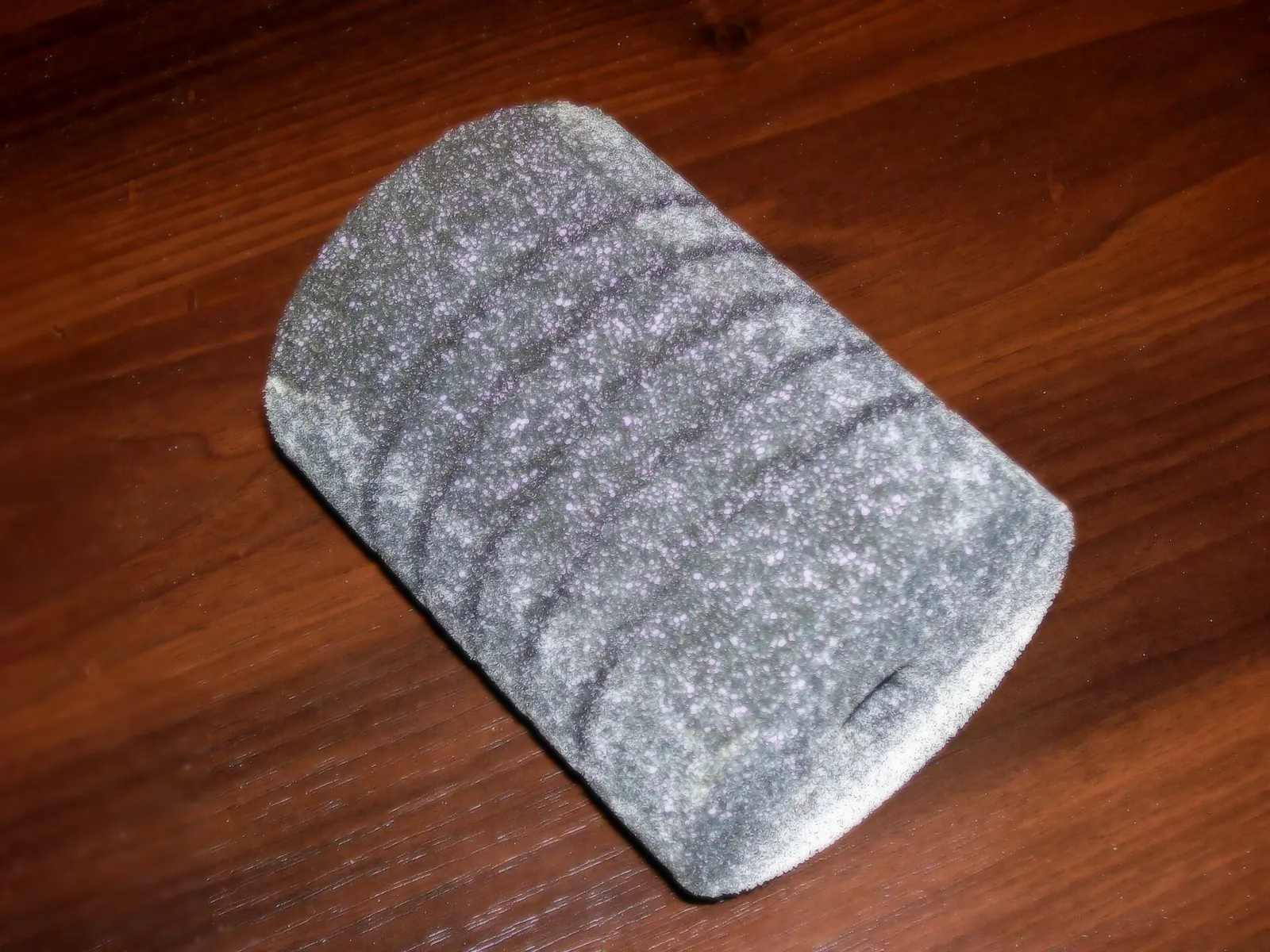
A single water change lowers ammonia in proportion to the volume replaced, so a 50 percent change halves it if the new water carries none.
A large mismatch between tank and replacement water makes a large change risky, but it does not make prolonged ammonia exposure safe. Fish that are gasping, losing balance or deteriorating need prompt aquatic-veterinary advice while aeration and carefully matched partial changes reduce exposure.
Dissolved oxygen falls as water warms, which is why aquarium dissolved oxygen matters most in a warm tank during a spike.
Which mistakes make an ammonia spike worse?
Most mistakes during a spike fix the number on the test in a way that harms the filter or shocks the fish. Each of these can turn a two day problem into a two week one, because the filter has to recover from the fix as well as the spike.
| Decision factor | Tempting move | What works better |
|---|---|---|
| pH has crashed | A large change with higher pH tap water | Small daily changes, because rising pH converts trapped ammonia into free ammonia |
| Filter looks dirty | Scrubbing media under the tap | Leaving it until the spike clears, then rinsing in removed tank water |
| Fish look unwell | Adding an antibiotic to the display tank | Fixing the water first, since antimicrobial baths kill filter bacteria |
| Fish look hungry | Feeding as usual | One to three days of reduced or no food for adults |
| Binder added | Treating the reading as solved | Removing the cause and changing water, since the binder only buys time |
| pH looks low | Adding buffer to reach the target in one day | Measure pH, alkalinity and ammonia together; arrange a gradual correction appropriate to the animals rather than chase a universal daily pH limit |
Bottled bacteria are a common reaction too. In a controlled trial of five quick-start products, only one lowered ammonia more than an untreated tank, so in a tank with a working filter the faster repair is to remove the cause and keep ammonia down while the existing bacteria recover.
When is the ammonia spike over?
The spike is over when the filter handles a normal day's feeding without help. Two readings in a row matter because one zero taken just after a water change says more about the change than about the filter.
- Ammonia reads zero on two consecutive daily tests, taken at the same time of day with feeding back to normal.
- Nitrite also reads zero, because a damaged filter often recovers its ammonia stage before its nitrite stage.
- pH and KH are back to the values the tank usually holds.
- The cause is found and fixed, so the same event cannot repeat next week.
- The log of readings, water changes and feeding is kept for at least a few weeks.
Nitrite deserves the same attention. If it climbs after ammonia falls, the filter is recovering in the usual order, and an aquarium nitrite spike needs the same care.
UF/IFAS advises testing more often whenever ammonia appears and returning to weekly tests once the problem is corrected.
When do the fish need an aquatic veterinarian?
Ammonia damage outlasts the ammonia. UF/IFAS records that fish can become sick weeks after a water quality problem has been corrected, so a clean test does not end the watch.
A veterinarian can only judge a fish in context, so the reading log is worth bringing along. Merck asks owners for at least 500 mL of tank water, carried without air bubbles and kept on ice, and UF/IFAS notes that one laboratory sample shows nothing about the trend that caused the damage.
Knowing when to call an aquatic veterinarian also means leaving treatment to them.
Medicating without a diagnosis adds a second hit to a filter that is already struggling.